Money is not what turns into a project
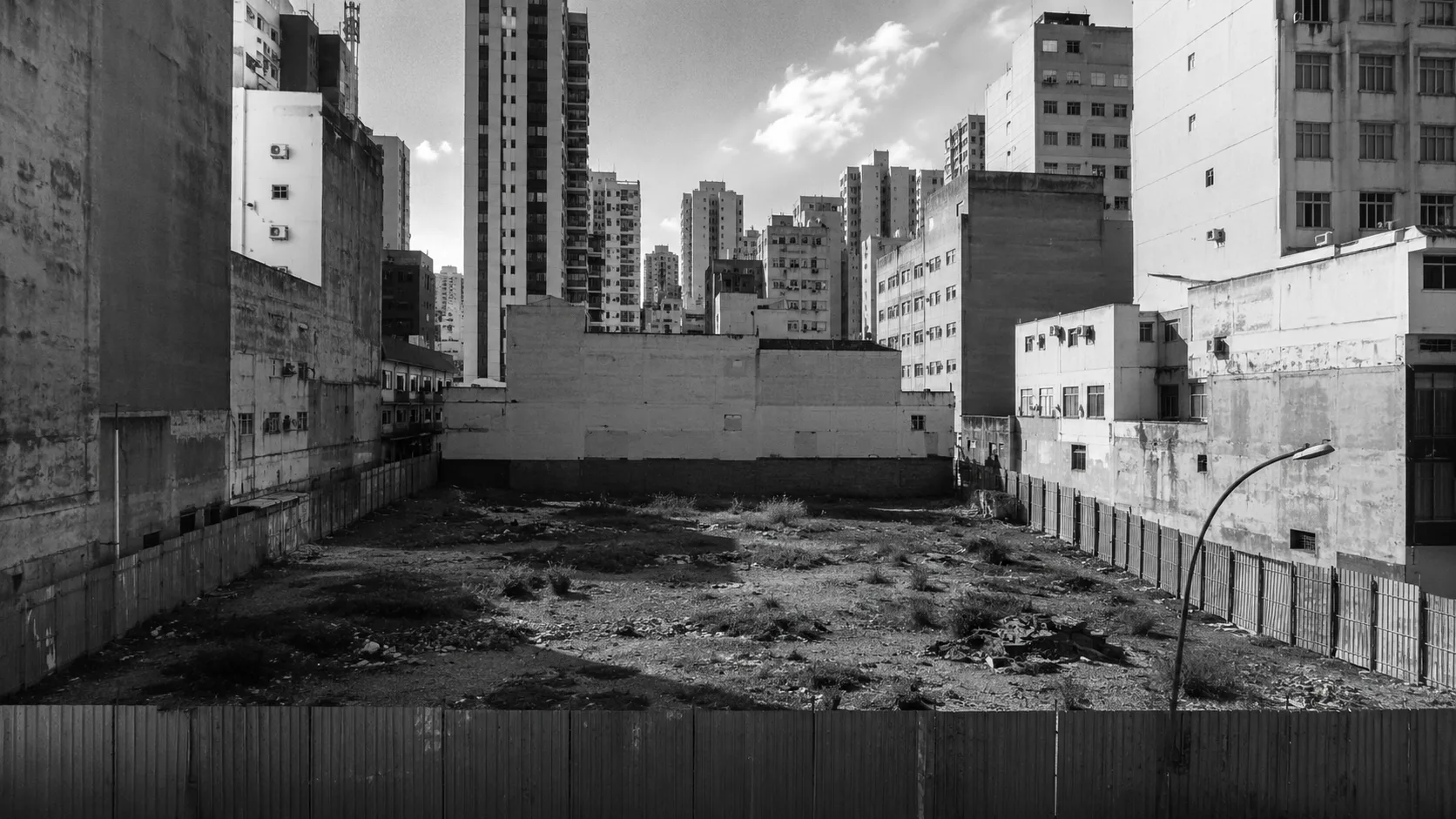
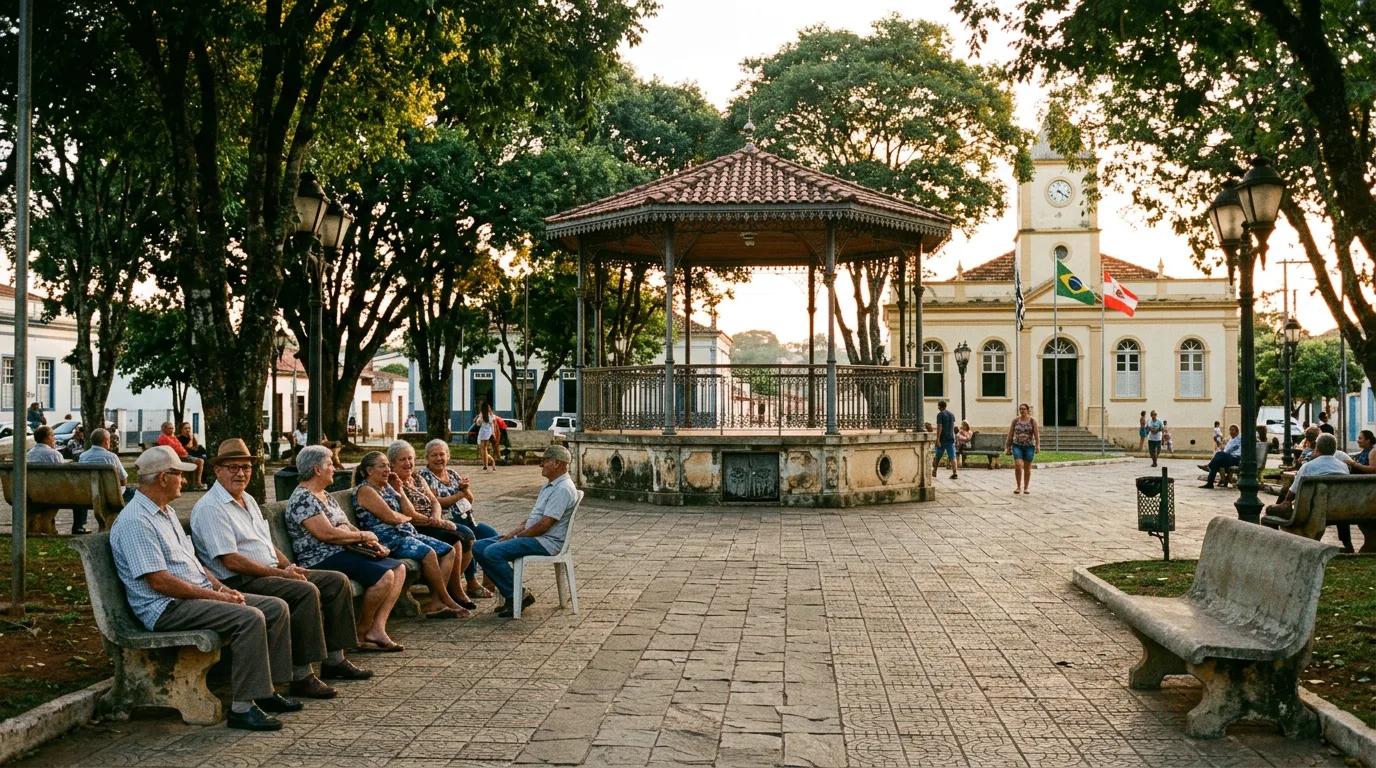
The scene repeats itself in small and mid-sized town halls. A credit line opens, an earmark appears, a tender shows up with a short deadline, and the team discovers that it has nothing to submit in order to secure that funding. Not because ideas are missing, but because ideas are not a valid document for the purpose.
What counts as a document is technical work already done, at a level of detail that the contracting process itself requires. And that level of detail is what decides whether the funding becomes built work or becomes a missed deadline.
Law 14,133 of 2021, which governs public tenders and administrative contracts, is explicit about when this happens: article 18 establishes that the preparatory phase of the tender process is characterised by planning, and that it must be compatible with the annual procurement plan and with the budget laws.
In other words: planning does not come after the money. It is the condition for reaching it.
From preliminary to buildable, in three stages
The most common confusion in a funding conversation is treating the project as a single thing. It is not. Between the intention and the built work there is a sequence of technical work that falls into three stages, and each one answers a different question.
- Preliminary stages. They answer whether the idea holds up. They characterise the need, the population served, the order of magnitude of the investment and the available alternatives. They may end in a no, and ending in a no is also a result: it saves the money that would have been spent detailing something unfeasible.
- Permitting stages. They turn the decision into something the public authority can approve, cost and defend. This is where topographic survey, soil boring, laboratory testing, environmental studies and the reading of urban planning legislation come in. It is the longest stage, and the one that almost always stalls.
- Execution stages. They detail the work to the point where it can be built and measured without improvisation, with the solutions, materials and specifications defined.
The order is not a practice’s preference. It is the only one in which each stage holds the information the next one needs: you cannot cost what has not been dimensioned, and you cannot dimension what has not yet been decided.
What usually stalls is the middle stage
In the preliminary stages the work is mostly analysis, and analysis moves fast. In the execution stages the route is already decided, and what remains is detailing. It is in the middle that the process gets stuck, and the reason is prosaic: a reliable cost does not come from a price per square metre.
It comes from topographic survey, from soil boring, from geotechnical testing, from socio-environmental studies and from a case-by-case reading of what local legislation allows on that particular site. Each of those has its own timeline, depends on fieldwork, on laboratories and sometimes on third parties, and none of them compresses to fit a tender that opened yesterday.
That is why this stage has to be behind you beforehand. A municipality that only starts drilling after securing the funds has already lost the window, and usually finds that out when the tender deadline is half gone.
You cannot start at the end
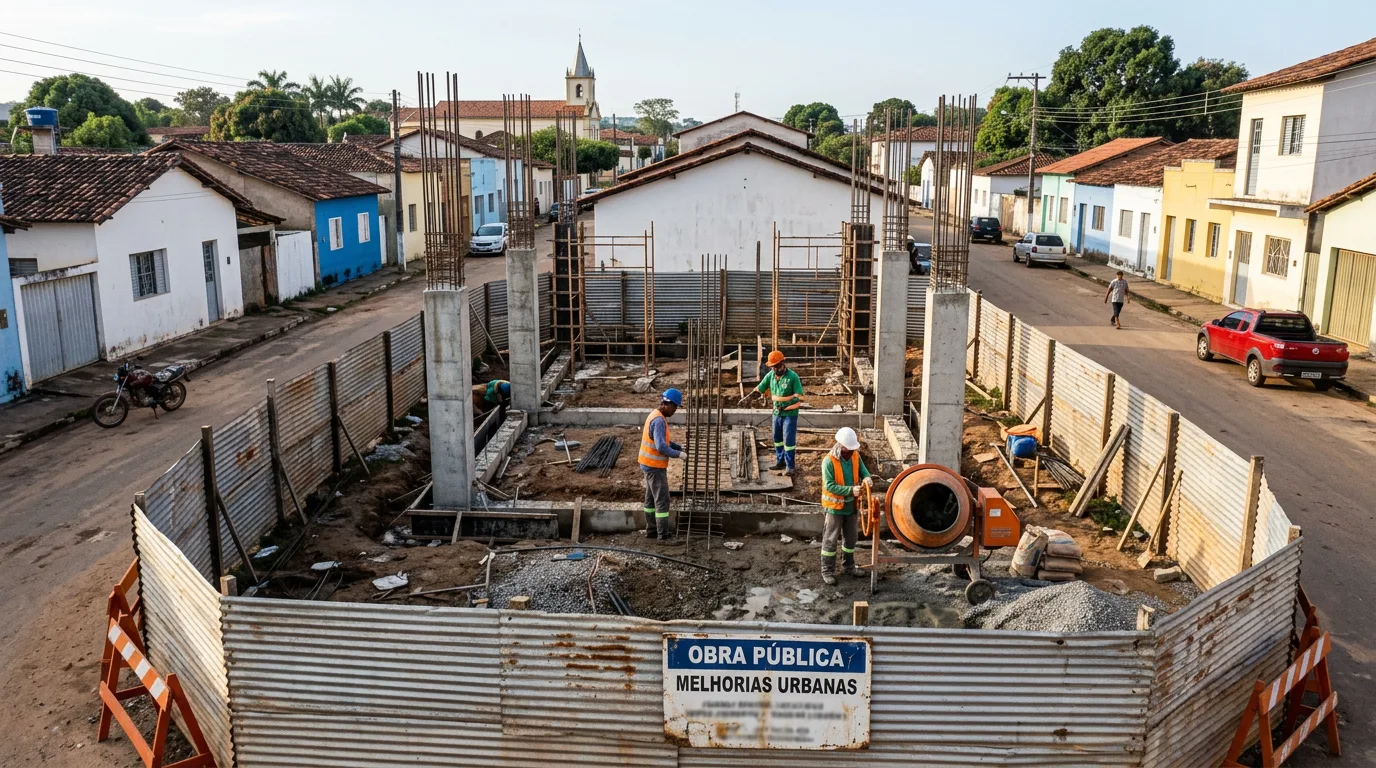
There is a temptation to speed things up by contracting the works with whatever is at hand and resolving the detail during execution. It is an apparent saving that gets paid for in three places.
The first is price. Anyone contracting without the detailing finished is not contracting a price, they are contracting an estimate that is still going to change, and the change happens after the works have started, when the municipality’s bargaining power is at its lowest.
The second is time. A technical decision postponed does not disappear: it reappears in the middle of the site, with the works standing still and waiting. The third is accountability, because the difference between what was contracted and what was executed is exactly what the oversight bodies will want explained.
The practical reading for anyone in administration: the question is not do we have a project? It is which stage are we in, and what is missing for the next one? The two questions look the same and produce completely different plans.
No tender funds an intention.
It funds technical work
that has already been done.
The neighbourhood moved inside the tender
One point that tends to escape those who treat public works as a purely budgetary matter: urban planning legislation entered the text of the tender law. Article 45 determines that tenders for works and engineering services must respect, in particular, rules relating to a set of matters, and item IV is explicit about the neighbourhood impact assessment, in the terms of urban planning legislation.
The same article also cites the environmentally appropriate final disposal of solid waste generated by the works, mitigation through conditions and environmental compensation defined in the licensing process, the protection of historical, cultural, archaeological and intangible heritage, and accessibility for people with disabilities or reduced mobility.
And the assessment referred to in item IV has its content defined outside the tender law: the City Statute provides, in article 36, that municipal law shall define which developments depend on a prior neighbourhood impact study, and article 37 lists what that study examines as a minimum, including urban mobility since the wording given by Law 14,849 of 2024.
Which means: what a town hall tends to treat as two separate conversations, the urban planning one and the contracting one, is a single conversation from the point of view of whoever audits the process later. Work that ignores the urban planning ruler is not merely worse. It is a more fragile process.

Six questions before going after funding
If the city wants to be ready when the window opens, the work starts now and not on the day of the tender:
- What is the need, described and substantiated? That is what the preliminary stages answer, and they may conclude that the project is unfeasible, which is also a result.
- Which stage is this matter in today? Preliminary, permitting or execution. The answer is usually further back than the team imagines.
- What is missing for the next stage, in time and in cost? Soil boring, topography and socio-environmental studies have their own timelines and do not compress.
- Is the cost already reliable, or still an estimate? That is the test which separates a matter ready to become a contract from one that merely looks ready.
- Has the urban planning ruler been read? Article 45, item IV brings the neighbourhood impact assessment inside the tender for public works.
- Is there a technical lead following it from beginning to end? Work that changes hands between one stage and the next loses the memory of its decisions, and that memory is what prevents doing it all again.
No tender funds an intention. It funds technical work already done. The city that understands this stops competing for funding through improvisation and starts competing with the work finished, which is the only way to compete on equal terms with those who have a larger structure.
Sources consulted
All URLs verified on 25 August 2026, in the official consolidated texts published by Planalto.
- Law 14,133 of 1 April 2021, Public Tenders and Administrative Contracts, official text, Planalto. Article 18, main clause, preparatory phase and planning; article 45, items I to VI, rules to be observed in tenders for works and engineering services.
- Law 10,257 of 10 July 2001, the City Statute, official text, Planalto. Articles 36 and 37, prior neighbourhood impact study, the urban planning legislation referred to in article 45, item IV of Law 14,133.
- Law 14,849 of 2 May 2024, official text, Planalto. Amends item V of the main clause of article 37 of the City Statute to require analysis of urban mobility in prior neighbourhood impact studies.
Updated on 25 August 2026. This text is an analysis by Arsenic Arquitetos on the chain between planning, technical work and the contracting of public works, and is not legal advice, a legal opinion, or a statement about any specific proceeding, tender or municipality. It contains no promise of approval, of funding or of timing. The three stages described in section 02 are a reading framework adopted by Arsenic to structure the conversation with public managers, and not a classification found in the legislation. Requirements of each funding line, of each tender and of municipal urban planning legislation vary, and must be read case by case.